Use this guide to prepare for a conversation with a qualified chimney professional. The right scope depends on the appliance, venting system, building and on-site findings.
Before booking: identify the system
Describe the appliance, fuel and any known vent arrangement. A photograph of an accessible model label can help a company decide whether it services that equipment. Explain every concern, including smoke, water, unusual sounds or a previous chimney fire. Do not conceal a problem to fit a routine cleaning package; it may require a different appointment.
Ask what the appointment includes
Confirm the appliance and flue covered, inspection level, cleaning boundaries, written findings and exclusions. Ask who will attend, what experience they have with the system and whether another trade may be required. Keep the estimate and any agreed changes together so the visit has a clear starting point.
Make the work area accessible
Ask the company how long the appliance should be cold, how much space it needs and what preparation it expects. Move fragile belongings and secure pets. Explain locked rooms, access arrangements and roof limitations. Do not climb, move a heavy appliance or open concealed construction to prepare unless the appropriate professional has provided safe, specific arrangements.
Gather the history
Collect prior inspection reports, repair invoices, manuals and any safely taken photographs. Record the date of symptoms and recent building work. If you do not know the last service date, say so. An unknown history is useful to the inspector; guessing can obscure why a deeper assessment may be appropriate.
Arrange the handover
Leave time for the technician to explain findings, inaccessible areas and any recommendation about use. Ask which work is complete and which proposed tasks need separate authorization. Save the report in your passport and record unresolved actions. A clean hearth or paid invoice is not, by itself, a complete condition assessment.
Prepare a five-minute handover
Put the model information, last service report and a short symptom timeline in one place. Start the visit by identifying which fireplace or appliance is included. Describe changes since the previous appointment, including renovations, fuel changes or a period without use. Avoid leading with a diagnosis you found online; your observations are useful evidence even when the cause is unknown. Ask the technician to confirm the agreed scope and how additional findings will be handled before work begins.
Make access predictable
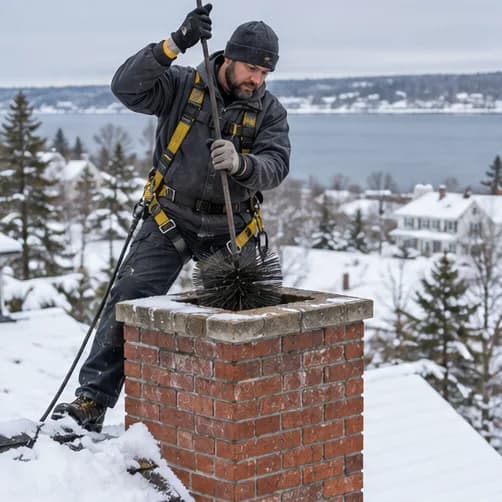
Follow the company’s instructions about cooling time and working space. Tell it about stairs, shared entrances, parking constraints, fragile flooring or building-manager requirements in advance. Keep pets and children away from the work area. Do not move heavy appliances, remove panels or climb onto the roof to help unless the professional has arranged an appropriate process. If weather prevents part of the planned access, ask how the report will identify that limitation and whether another appointment is needed.
Reserve time for the explanation
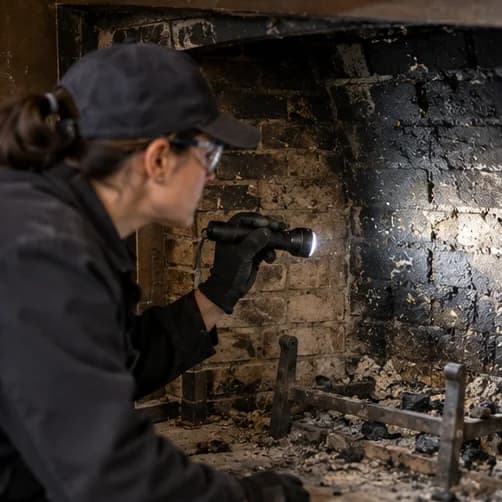
Leave time at the end to ask what was serviced, what was observed and what remains unresolved. Confirm when the written report will arrive and the best contact for questions. If you cannot attend, agree beforehand who may authorize additional work and receive the handover. A rushed final conversation can leave an owner with photographs but no explanation of the decision they support.
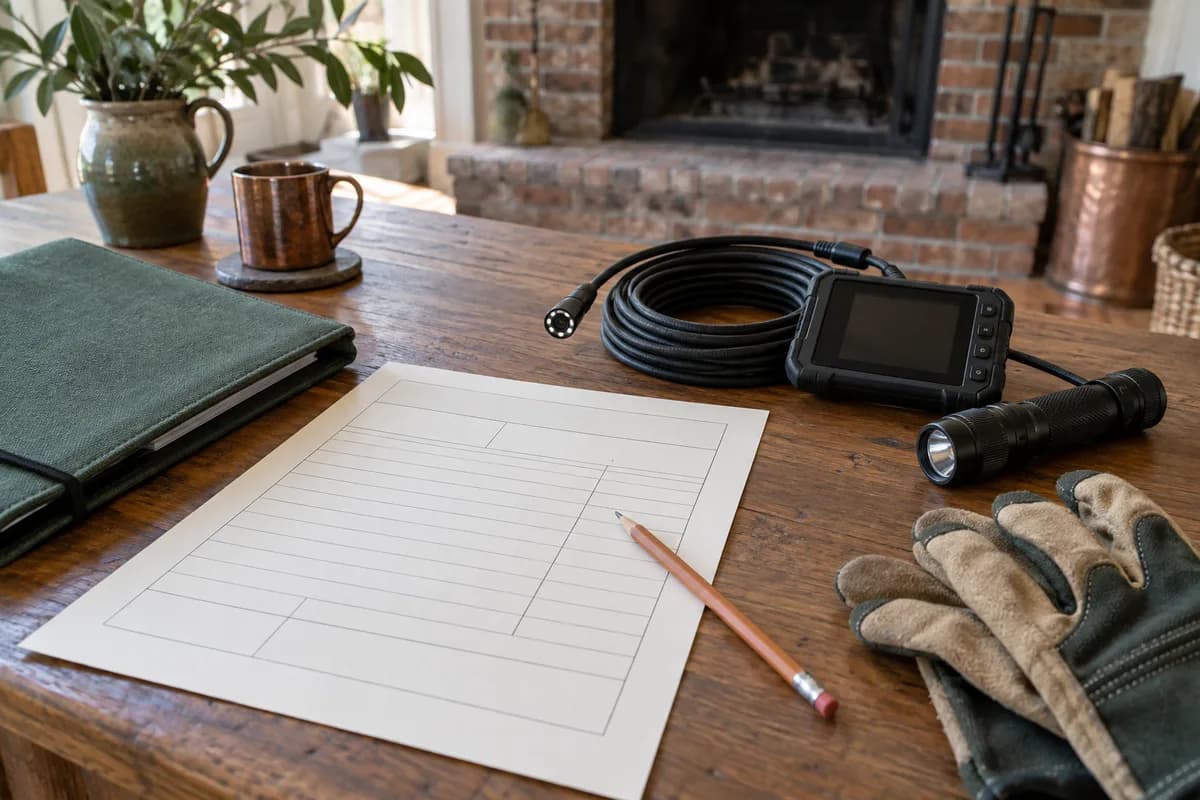
Make a contractor question sheet →
Compare the options at a glance
| Item | What it addresses | Question to ask |
|---|---|---|
| Before booking: identify the system | Describe the appliance, fuel and any known vent arrangement. | What does the written scope or record establish about this step? |
| Ask what the appointment includes | Confirm the appliance and flue covered, inspection level, cleaning boundaries, written findings and exclusions. | What does the written scope or record establish about this step? |
| Make the work area accessible | Ask the company how long the appliance should be cold, how much space it needs and what preparation it expects. | What does the written scope or record establish about this step? |
Practice the decision
Put the questions in context
Follow an explicitly illustrative homeowner situation through the observations, investigation and scope questions. No customer result or price is assumed.
Explore the homeowner decision notebook →Bring this to the appointment
- Appliance make, model and fuel if known
- Safely taken photos of visible concerns
- Dates of prior cleaning, inspections, repairs or incidents
- A request for written findings, scope and exclusions
Questions answered
Chimney service FAQs
Should I use the fireplace the morning of the visit?
Ask the company how long the appliance must be cold and follow its preparation instructions. Do not assume an appliance that looks unlit is cool enough to service.
Do I need to climb up and take a chimney photo?
No. Take only safely accessible photographs. Roof access and close examination belong in the professional work plan.
What if I cannot find the last service date?
Record it as unknown. Supply any invoices or appliance information you do have and let the inspector decide how that uncertainty affects the scope.
Should a repair be authorized during a cleaning?
Ask for the finding and a written repair scope first. Clarify urgency, alternatives and price before consenting to additional work.
Check the source
References & further reading
- CSIA homeowner resources ↗
Annual inspections, cleaning and homeowner questions.
Published by Chimney Sweep Guide. General homeowner information; no claim of an on-site inspection or professional certification. Suggest a correction.