Avoid forcing animals out
Do not light a fire, introduce chemicals or attempt to seal an occupied opening. Keep people and pets away from the immediate area and describe the observations to the contractor.
Check wildlife constraints
Tell the company if birds or other animals may be present. Protected wildlife and active nests can change what work is lawful and when it can occur. Ask the appropriate wildlife authority or a qualified specialist; a sweep appointment is not permission to remove a nest.
Define extraction and cleanup
Once lawful and appropriate, ask how the obstruction will be accessed and removed, how debris will be contained and which sections can be examined afterward. Do not accept removal as proof that the entire vent is undamaged.
Investigate the entry route
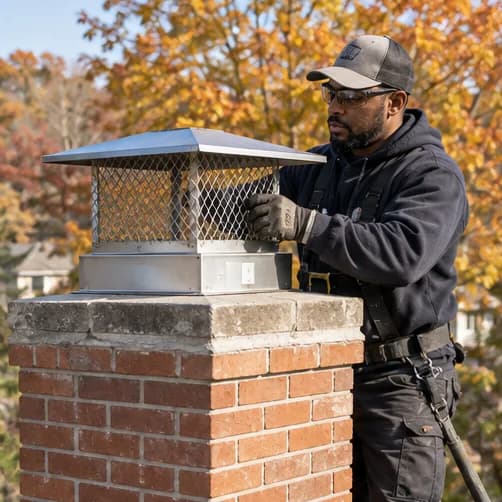
Discuss caps, termination condition and other possible entry points after the situation is resolved. Any proposed guard or replacement must be appropriate for the actual vent system.
Confirm the next step before reuse
Ask what inspection remains necessary and whether any damaged parts need repair. Retain photographs, work details and the professional recommendation; a quieter chimney is not a safety finding.
The evidence desk / Worked example
From a finding to a defensible scope
Illustrative homeowner scenario. This is not an actual inspection report or a prescription for your property.
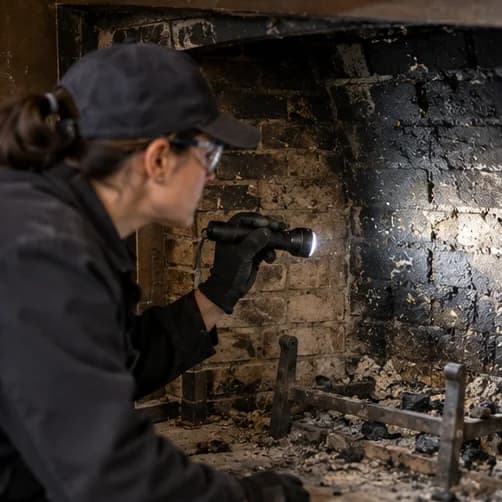
Debris is visible in the fireplace and the owner asks a sweep to remove a nest.
Debris at the opening does not identify the obstruction or whether wildlife is present. Describe observations without reaching into the chimney or disturbing nesting material. Ask the provider how it establishes the cause and when wildlife expertise is needed before removal.
Ask for the missing evidence
- Describe noises, visible debris and the last time the appliance was used.
- Ask how the obstruction will be identified before work.
- Clarify the process if live animals or an active nest are found.
Before authorizing the work
Separate assessment, lawful wildlife handling where applicable, removal, cleanup and any cap or damage repair. A quote to remove accessible debris should not promise that every concealed obstruction can be resolved without further access.
At completion
Request a record of what was found, what was removed, access limitations and any subsequent inspection. Keep recommended preventive repairs separate from the completed removal work.
Keep this question open
Do not light a fire to drive out animals or clear a blockage. Ask the professional what further inspection is needed before operation and contact the appropriate wildlife authority when protection rules may apply.
The scope checklist
Use these items to compare written proposals for this service.
- Avoid forcing animals out
- Check wildlife constraints
- Define extraction and cleanup
- Investigate the entry route
- Confirm the next step before reuse
Common exclusions to clarify
- Related appliance or building repairs unless expressly included
- Additional access or return visits outside the agreed scope
- Independent guarantees of future safe operation
Questions answered
Chimney service FAQs
When should I ask about chimney blockage and animal activity?
Sounds, debris or a suspected obstruction should prompt a pause in appliance use and a qualified assessment. An active nest or wildlife concern may require a wildlife professional and legal guidance before chimney work can proceed.
What should be recorded before work starts?
Do not light a fire, introduce chemicals or attempt to seal an occupied opening. Keep people and pets away from the immediate area and describe the observations to the contractor.
What should I keep after the visit?
Ask what inspection remains necessary and whether any damaged parts need repair. Retain photographs, work details and the professional recommendation; a quieter chimney is not a safety finding.
Check the source
References & further reading
- CSIA homeowner resources ↗
Annual inspections, cleaning and homeowner questions.
- U.S. Fish & Wildlife Service: bird nests ↗
Government information about protected birds and nests; seek advice before disturbing wildlife.
Published by Chimney Sweep Guide. General homeowner information; no claim of an on-site inspection or professional certification. Suggest a correction.