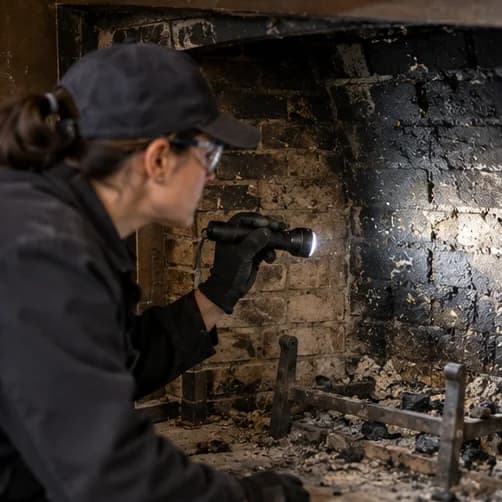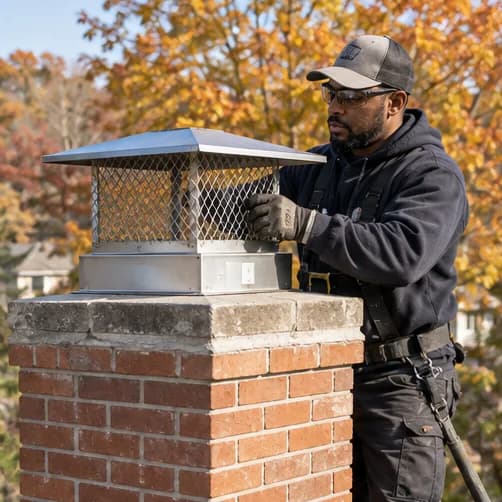
Locate the evidence
Ask for images referenced to a component or section. Confirm whether deposits or access prevent a complete view. Loose debris may justify an investigation, but it does not by itself identify the whole repair scope.
Match the system
Fuel, appliance requirements and the existing vent arrangement matter. Ask how the proposed repair or replacement is compatible with the appliance and whether related connectors or termination components must change.
Compare repair boundaries
A localized repair and a replacement liner may address different conditions. Ask each contractor to explain the defect addressed, limitations, materials and completion checks. Compare these details before comparing totals.
Coordinate approvals
Ask who will confirm any local permit, inspection or product requirements for the actual proposed work. A directory cannot determine these requirements remotely from a city name.
Retain the completion record
Keep product identification, written scope, photographs and any required inspection documents. Ask what unresolved concerns affect use, and record the professional response instead of interpreting a warranty as a safety approval.
The evidence desk / Worked example
From a finding to a defensible scope
Illustrative homeowner scenario. This is not an actual inspection report or a prescription for your property.
An estimate recommends ‘flue repair’ after a photograph shows a possible defect.
The term can describe different materials and methods. Ask the contractor to identify the affected section and explain how the proposed work addresses the documented condition. A repair to one area and a replacement liner are not interchangeable descriptions of scope.
Ask for the missing evidence
- Locate the affected flue and defect in the report.
- Name the proposed repair system and its intended application.
- Ask what access and preparation are necessary.
Before authorizing the work
Compare the length or area addressed, preparation, materials, access and checks after work. If the proposal changes following cleaning or closer inspection, request a revised scope before authorizing the added work.
At completion
Request a record of the repaired sections and the method used to evaluate the result. Preserve any maintenance instructions specific to the installed repair product.
Keep this question open
If only one section was addressed, the report should not imply that every part of the system was renewed. Ask which remaining conditions or access limits still matter.
The scope checklist
Use these items to compare written proposals for this service.
- Locate the evidence
- Match the system
- Compare repair boundaries
- Coordinate approvals
- Retain the completion record
Common exclusions to clarify
- Related appliance or building repairs unless expressly included
- Additional access or return visits outside the agreed scope
- Independent guarantees of future safe operation
Questions answered
Chimney service FAQs
When should I ask about flue repair and assessment?
The flue is the passage carrying combustion products; a liner forms or protects that passage. A proposal for flue repair should identify the actual defect and material rather than treat every internal concern as the same job.
What should be recorded before work starts?
Ask for images referenced to a component or section. Confirm whether deposits or access prevent a complete view. Loose debris may justify an investigation, but it does not by itself identify the whole repair scope.
What should I keep after the visit?
Keep product identification, written scope, photographs and any required inspection documents. Ask what unresolved concerns affect use, and record the professional response instead of interpreting a warranty as a safety approval.
Check the source
References & further reading
- CSIA: chimney inspection levels (historical overview, 2000) ↗
Historical background on inspection levels; not the current code text. Confirm the applicable edition and scope with the inspecting professional.
Published by Chimney Sweep Guide. General homeowner information; no claim of an on-site inspection or professional certification. Suggest a correction.