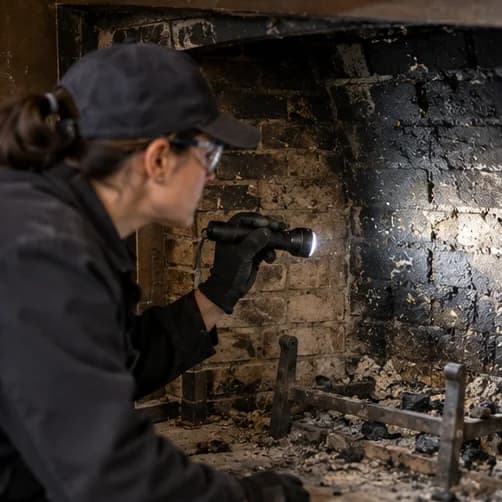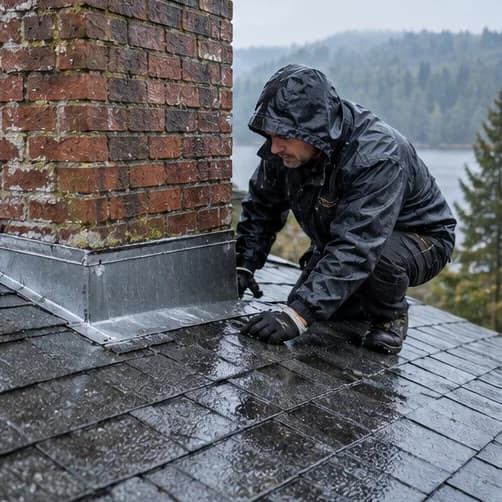
Find the water pathway first
A chimney has several exposed and concealed interfaces. Request the evidence behind the proposed treatment and a separate description of repairs needed before application. A damp interior finish does not identify one universal fix.
Check existing coatings
Paint, previous sealers and masonry condition can affect product compatibility. Ask how the contractor will identify existing treatments and follow the selected product instructions.
Define preparation
The quote should explain cleaning, repairs and surface preparation. Ask what condition the masonry must reach before treatment and how weather can change the schedule.
Understand limitations
A water-repellent treatment is not a structural repair or a guarantee against every leak. Clarify which surfaces are covered and what remains outside the scope, including the crown, cap and flashing where applicable.
Keep maintenance information
Retain the product name, application date and care instructions. Ask how future inspection should evaluate the treatment and avoid inventing a universal reapplication interval that may not fit the product.
The evidence desk / Worked example
From a finding to a defensible scope
Illustrative homeowner scenario. This is not an actual inspection report or a prescription for your property.
A water-repellent treatment is offered without a written description of the surface condition.
Ask what the treatment is intended to accomplish and what defects must be corrected first. Surface treatment, mortar repair and flashing work are separate tasks. A product name alone cannot explain whether the observed water pathway has been addressed.
Ask for the missing evidence
- Ask which surface and condition the treatment addresses.
- Request the exact product and preparation requirements.
- Identify repairs that must occur before application.
Before authorizing the work
Compare the treated area, preparation, exclusions, weather requirements and follow-up terms. Ask for the manufacturer’s information and the contractor’s explanation of suitability for your masonry rather than accepting a generic promise to ‘waterproof the chimney.’
At completion
Keep the product details, application date, surface photos and maintenance or renewal instructions. Note any component intentionally left untreated and why.
Keep this question open
A surface-treatment receipt does not resolve an uninvestigated cap, crown or roof leak. If symptoms persist, return to the diagnosis and documented repair boundary.
The scope checklist
Use these items to compare written proposals for this service.
- Find the water pathway first
- Check existing coatings
- Define preparation
- Understand limitations
- Keep maintenance information
Common exclusions to clarify
- Related appliance or building repairs unless expressly included
- Additional access or return visits outside the agreed scope
- Independent guarantees of future safe operation
Questions answered
Chimney service FAQs
When should I ask about chimney masonry waterproofing?
A masonry water-repellent treatment may be proposed after assessing the chimney surface and water pathways. It should not be used to hide damaged joints, failing crowns or roof-junction defects. Ask why the particular product is appropriate.
What should be recorded before work starts?
A chimney has several exposed and concealed interfaces. Request the evidence behind the proposed treatment and a separate description of repairs needed before application. A damp interior finish does not identify one universal fix.
What should I keep after the visit?
Retain the product name, application date and care instructions. Ask how future inspection should evaluate the treatment and avoid inventing a universal reapplication interval that may not fit the product.
Check the source
References & further reading
- CSIA: water and chimney damage (historical article, 2013) ↗
Rain entry, caps and flashing.
Published by Chimney Sweep Guide. General homeowner information; no claim of an on-site inspection or professional certification. Suggest a correction.