Use this guide to prepare for a conversation with a qualified chimney professional. The right scope depends on the appliance, venting system, building and on-site findings.
Check the identity and scope first
A useful report identifies the property, inspected appliance or flue, date and inspection scope. In a home with several fireplaces, make sure you know which one each finding describes. Check that the work matches the booked scope and ask about differences before using the report to request repairs.
Separate observations from recommendations
An observation describes what the inspector found; a recommendation explains what they propose next. Ask for the connection between them. A repair name without a location, photograph or explanation is hard to compare. Equally, an unclear photograph should prompt a question rather than an assumption that the system is either sound or defective.
Read the limitations
Restricted access, deposits or concealed construction may prevent an answer. Look for an explanation of what could not be seen and why. A blank field is not evidence that a component passed inspection. Ask which unanswered questions affect the decision to operate and what additional assessment could resolve them.
Clarify urgency and use
Ask the professional to distinguish immediate concerns from maintenance planning and cosmetic observations. If a safety concern or instruction to stop use appears, obtain clarification from the responsible qualified professional before reuse. Do not translate a color code or an online article into your own determination of safety.
Make the report portable
Keep the full report and original photographs, not only a quotation screenshot. Ask later contractors to respond to the same documented findings and identify any disagreement. Record subsequent repairs separately, linking each completed task to the original finding. This creates a useful history for future servicing or a property transfer.
Annotate a finding without rewriting it
Copy the exact finding into your notes and add your question underneath. For example, if a report says access was limited, ask which area was inaccessible and what additional assessment would resolve it. Do not replace that language with ‘all clear’ because the photographs look reassuring. Preserve the original report as the primary record. A homeowner summary is useful for organizing follow-up, but it should remain visibly separate from the inspector’s words and conclusions.
Resolve image and location confusion
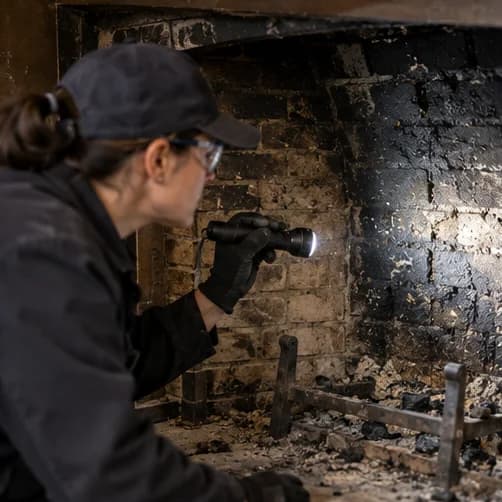
Ask the author to identify the appliance, flue, component and location of an important image. In a multi-flue structure, an unlabeled close-up may be hard to connect to the correct fireplace. Request an explanation of what the image demonstrates and any limits on interpretation. Do not assume that a dark line, staining or unfamiliar material establishes a particular defect by itself. The report should explain how the observed evidence supports the recommendation.
Make a three-column follow-up list
Use three headings: question for the inspector, proposed next step and status. Record the answer beside the original question, with the date. Keep a recommendation marked open until you have documentation of the assessment or work that addresses it. Paying an invoice, scheduling another company or purchasing a part are different events from completing and documenting a repair. This list becomes the bridge between the report, the estimate and the final handover.
Make a contractor question sheet →
Compare the options at a glance
| Item | What it addresses | Question to ask |
|---|---|---|
| Check the identity and scope first | A useful report identifies the property, inspected appliance or flue, date and inspection scope. | What does the written scope or record establish about this step? |
| Separate observations from recommendations | An observation describes what the inspector found; a recommendation explains what they propose next. | What does the written scope or record establish about this step? |
| Read the limitations | Restricted access, deposits or concealed construction may prevent an answer. | What does the written scope or record establish about this step? |
Practice the decision
Put the questions in context
Follow an explicitly illustrative homeowner situation through the observations, investigation and scope questions. No customer result or price is assumed.
Explore the homeowner decision notebook →Bring this to the appointment
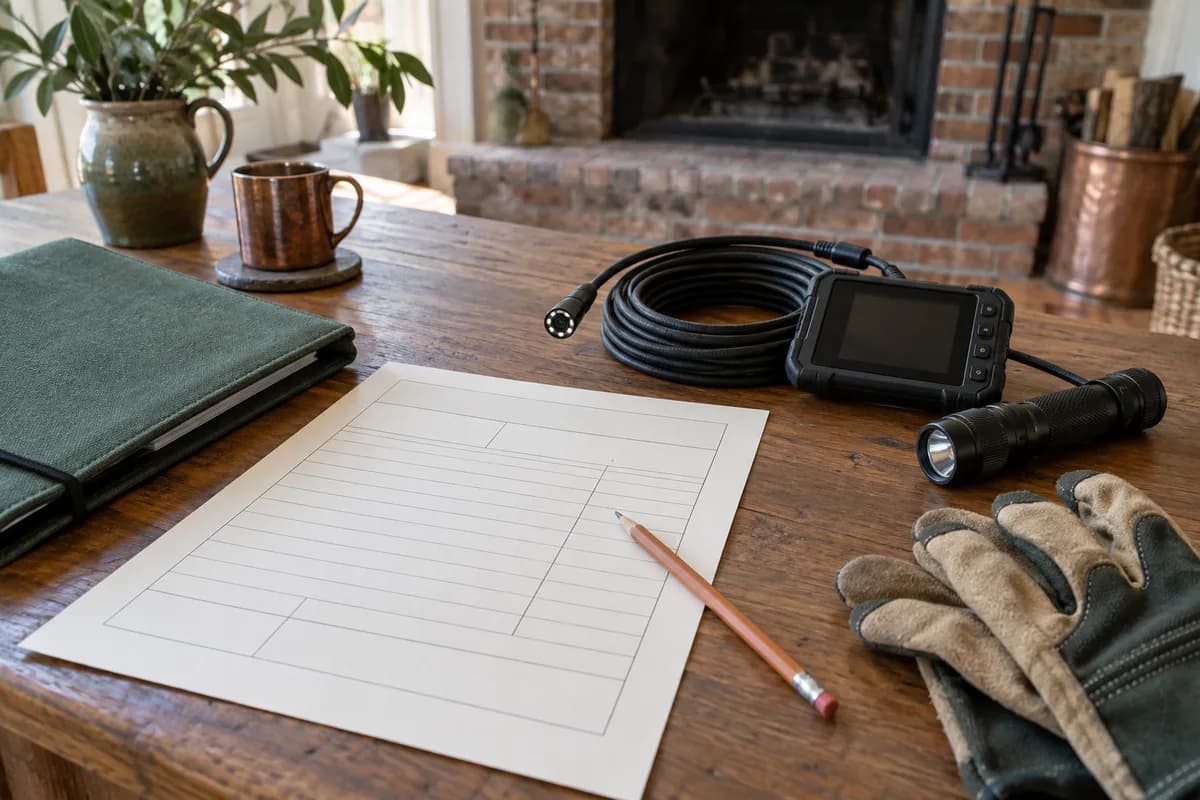
- Appliance make, model and fuel if known
- Safely taken photos of visible concerns
- Dates of prior cleaning, inspections, repairs or incidents
- A request for written findings, scope and exclusions
Questions answered
Chimney service FAQs
Does a photo prove the whole flue was inspected?
A photo shows a particular view. Ask which areas were examined, how the views correspond to components and what remains inaccessible.
What does an access limitation mean?
It means the inspector could not fully examine a stated area. Ask whether additional access is necessary and how the uncertainty affects use.
Can I compare estimates based on different reports?
First identify whether the contractors agree on the defect and inspected scope. A different proposed remedy may reflect a different finding or a different boundary of work.
Does paying for a repair close the original finding?
Keep the completion record and ask how the work addresses the documented concern. Payment alone does not establish that every recommendation was completed.
Check the source
References & further reading
- CSIA: chimney inspection levels (historical overview, 2000) ↗
Historical background on inspection levels; not the current code text. Confirm the applicable edition and scope with the inspecting professional.
Published by Chimney Sweep Guide. General homeowner information; no claim of an on-site inspection or professional certification. Suggest a correction.